Grow Fresh Food in Small Spaces

windowsill herbsYou Can Grow Your Own Fresh Food Almost Anywhere!
Histamine develops and accumulates to high levels in aging food. Eating old, long-stored food can provoke symptoms in people with histamine intolerance.
The best way to make sure your food is fresh is to grow it yourself. If you can simply reach out and pick a few lettuce or rocket leaves, or pull up some carrots or pluck some herbs, you can not only stay healthy, you can cut down on ‘food miles’ and your grocery bills.  You can ‘eat fresh’ every day. If you don’t happen to live on a farm, you can still enjoy your own fresh vegetable patch.

In the USA, gardeners like Paul Wheaton are spreading the word about growing your own organic foods sustainably and living in small spaces. HGTV has free online articles with helpful suggestions, such as Intensive Gardening Makes Small Spaces Work Double Time and Edible Gardening in Small Spaces.
The Univeristy of Maine in its article on Gardening in Small Spaces says, “At a time when Americans are overweight and under-exercised more than ever before, consider that a 150-pound person working in the garden will burn approximately 350 calories per hour. That’s roughly equivalent to doing low-impact aerobics, playing softball, pulling a cart while playing golf, walking at a very brisk pace, or playing vigorously with children. Of course, consuming home-grown vegetables is good for your health as well. Fresh vegetables are loaded with vitamins, antioxidants, and fiber, all of which play a role in cancer prevention and general good health. And when you grow your own vegetables, you know exactly how they were grown and where they originated—issues of food safety and security that are becoming more and more important to our society.”

Alan Titchmarsh, arguably the most famous gardener in the UK, says, ““I think it is a very underrated mission, encouraging people to grow things and to look after that little patch of ground outside their house. Hopefully [his TV gardening series] shows just how important gardens are. It sounds like a grandiose claim, but they can, and do, change lives. They are a safety valve, an oasis, a sanctuary, somewhere to feel at one with nature, all of those things. I always call them an escape to reality because that is the real world, really. And if you can make a garden that suits you and your sensibilities, you realise its value. It will aid the environment immeasurably and give them enormous solace, stimulation and pleasure.” His book “How to Garden: Vegetables and Herbs” is useful for UK gardeners.

Your own Backyard

Clive Blazey, the Australian founder of the Digger’s Club, says, “If you plan your garden carefully, you can grow a remarkable amount of produce in only a few square meters of space. To feed a family of four for a whole year, you only need 40 square meters of ground.” One of Mr Blazey’s “mini plots” could easily fit into the area occupied by a small suburban backyard. Or, to feed one person for a year all you require is ten square meters of ground.
Mr Blazey’s method is based on successional plantings, and you can read about it in his book The Australian Vegetable Garden. The method can be adapted to any country or climate.

Your Courtyard, Deck or Patio

Containers such as flower pots, tubs and hanging baskets can be used to grow your own fresh produce in small spaces.

Your Roof

Roof gardening is growing in popularity. Up there, there’s plenty of sunshine for growing plants. As an added bonus, growing vegetables on a roof can be a great way to insulate a home or office space. Do your research first – you need to be able to safely access the roof and make sure it’s properly waterproofed.

Your Windowsill

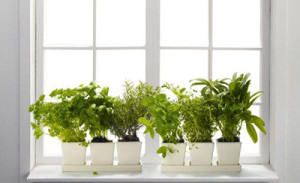
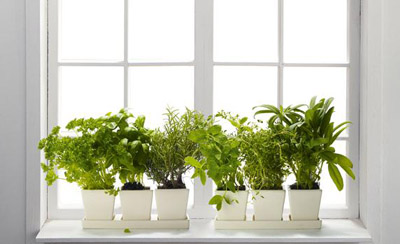
No home is too small to grow herbs and salad greens for the kitchen. Potted plants can thrive even on a sunny windowsill. Freshness means low histamine, and growing your own living herbs for muffins, garnishes, main courses and salads etc. is the best way to ensure freshness. Products like the ‘Jiffy Windowsill Greenhouse” can help.

Get Plants for Free!Propagating fruit plants

You don’t have to always buy plants, seedlings and seeds. Once you have a plant, you can propagate more. Find out how to make your own new plants from old, using simple techniques such as seed-saving or taking cuttings. Propagating Fruit Plants will tell you how.
Freezing foods for freshness

freezing foodsFreezing foods for freshness

The Ice-Man Cometh …

Histamine is odorless, flavorless and invisible to the naked eye – thus, it is undetectable without scientific instruments. It starts to accumulate in plant and animal foods as soon as the plant or animal dies, and continues to build up over time. This is why it is chiefly found in aged, cured, fermented, cultured, and spoiled foods. Histamine itself is not destroyed by cooking, freezing, hot smoking or canning.
So how can people with histamine intolerance cope?

  1. Choose to eat foods that are low in histamine and histamine-triggering compounds. (See the book “Is Food Making You Sick?“)
  2. Eat only foods that are very fresh.
  3. Make the most of your freezer!

Freezing foods is just about the only thing that halts the development of histamine. If you don’t have your own vegetable patch or herb garden, or if you cannot get to the supermarket every couple of days to buy fresh produce, take advantage of the modern convenience of a freezer. Do not allow food to languish for days in the refrigerator.  If you’re not going to eat it straight away – freeze it. Defrost it when you are ready to eat it.

Of course foods like lettuces do not freeze well, but it is possible to freeze herbs and retain their flavor, if not their texture. Wash them and chop them first.

Here are some helpful suggestions for freezing herbs:

  • Simply place them in a freezer-bag or zipper-lock bag and store them in the freezer for up to two weeks.
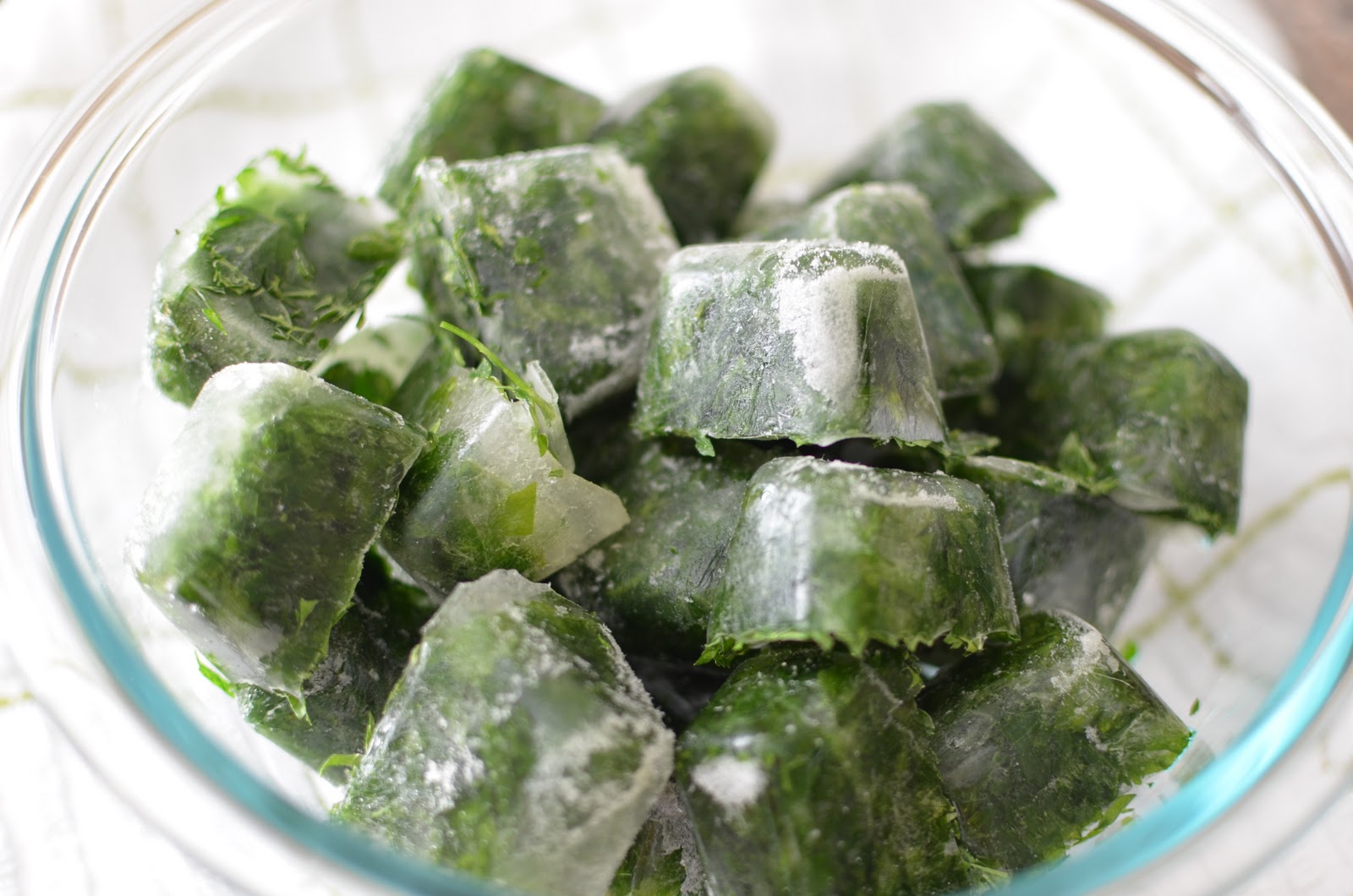
  • Place chopped herbs into the compartments of an ice-cube tray, cover them with water and freeze them. You can leave them in the tray or put the frozen herb-blocks into a freezer-bag or zipper-lock bag and store them in the freezer for up to two weeks.
  •  Put chopped herbs into the compartments of an ice-cube tray, cover them with vegetable oil and freeze them. Freezing in oil best preserves the flavor.


Amaranth – is it suitable for people with Histamine Intolerance?

Amaranth – is it suitable for people with Histamine Intolerance?

Amaranth

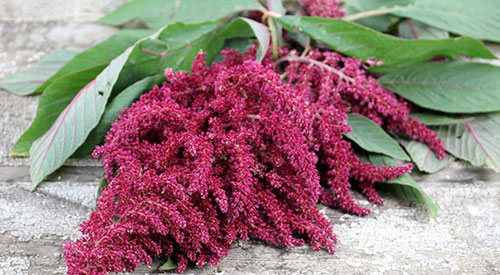
Amaranth is a plant of many uses.

  • The seeds can be eaten.
  • The leaves, roots and stems can be eaten.
  • The flowers of the ‘Hopi Red Dye’ amaranth were used by the Hopi (a tribe in the western United States) as the source of a deep red dye.
  • The plant is highly ornamental, and is often grown because of its sheer beauty. Ornamental varieties may be known by the romantic name of “Love-Lies-Bleeding”.
  • It is honored in myth, legend and poetry.

Amaranth seeds

Technically the seeds are not grains, like wheat or rice. However amaranth seeds are often called a “pseudo-cereal” because they contain a range of nutrients similar to that of cereal grains.

Amaranth seeds –

  • are gluten-free
  • contain about thirty percent more protein than cereals like rice, sorghum and rye.
  • are higher in minerals such as calcium, iron, phosphorous, and carotenoids, than most vegetables.
  • are easily harvested
  • are an excellent source of complete protein
  • are rich in lysine. Compared to grains, amaranth is unusually rich in the essential amino acid lysine. Common grains such as wheat and corn are comparatively rich in amino acids that amaranth lacks; thus, amaranth and grains can complement each other. Amaranth is competitive with wheat germ and oats – higher in some nutrients, lower in others.
  • are easy to cook
  • can be made into a nutritious flour
  • taste good
  • are easy to grow. Amaranth plants grow rapidly and their large seed-heads can weigh up to 1 kilogram and contain up to half a million seeds.

Known to the Aztecs as huauhtli, amaranth is thought to have represented up to 80% of their caloric consumption before the Spanish conquest. Another important use of amaranth throughout Mesoamerica in the preparation of ritual drinks and foods. To this day, amaranth grains are toasted like popcorn and mixed with honey, molasses or chocolate to make a treat called alegría, meaning “joy” in Spanish. [Source: Wikipedia]

Amaranth greens

Amaranth leaves and stems are eaten all over the world steamed, boiled, stir-fried, in salads and and in soups.

Caution: Amaranth contains histamine-liberating oxalates!

With all these characteristics in favour of amaranth, is it recommended for people with Histamine Intolerance? Not really.

Amaranth in itself is not high in histamine, but it is high in oxalates [1], and oxalates are histamine liberators. One study was optimistic nonetheless, concluding that “Grain amaranth can be considered a high oxalate source, however, as most is in insoluble form, and due to its high calcium and magnesium concentrations, oxalate absorbability could be low. This should be confirmed by bioavailability studies.” [ibid.]

Another study showed that oxalates in vegetable amaranth were “high when compared with the amounts reported to be a health hazard in other vegetables and forage crops.” [2]

Other drawbacks of amaranth

  • Oxalates (otherwise known as oxalic acid) are not only histamine liberators. Their presence in food can also interfere with the body’s ability to absorb calcium and magnesium.
  • Dietary oxalate is a potential risk factor for kidney stone development.
  • The starch in amaranth is very easy to digest, which gives it a high glycemic index (GI) rating. Foods that have a high glycemic index increase blood glucose levels and subsequently insulin levels. This is thought to increase the risk of cardiovascular disease and type 2 diabetes. Foods with a high GI do not satisfy hunger for as long as foods with a low GI, and are thought to be associated with obesity. [3]

In conclusion  – amaranth is a good source of complete protein, and it is gluten-free, but if you are histamine intolerant you should think carefully about consuming it and treat it with caution! If your symptoms are severe you might be wise to avoid amaranth and instead stick to foods listed in the ‘Strictly Low Histamine Diet‘.


References

[1] Oxalate in Grain Amaranth
Bruce Gélinas and Philippe Seguin
Department of Plant Science, McGill University, Macdonald Campus, 21111 Lakeshore Road, Sainte-Anne-de-Bellevue, QC H9X 3V9, Canada
J. Agric. Food Chem., 2007, 55 (12), pp 4789–4794
DOI: 10.1021/jf070384d
Publication Date (Web): May 19, 2007
Copyright © 2007 American Chemical Society

[2] Oxalate in vegetable Amaranth (Amaranthus gangeticus). forms, contents, and their possible implications for human health.
Patma Vityakon
Journal of the Science of Food and Agriculture (Impact Factor: 1.88). 01/1989; 48(4):469 – 474. DOI: 10.1002/jsfa.2740480409 

[3] Scientists Discover Why A Low GI Meal Makes You Feel Full

Antihistamine medications

Antihistamine medications

If your histamine intolerance symptoms are severe, you might consider taking antihistamines as a temporary, emergency measure.

This is only a short-term solution. Doctors recommend that you do not take antihistamines over long periods, because –

  • Taking these medications daily for long periods of time may result in your body becoming tolerant to their effects, meaning that you may need to take larger doses to obtain the same relief.
  • They may cause weight gain by increasing your appetite – especially H1 blockers.
  • Prolonged use can adversely affect your liver.
  • H2 blockers can have a ‘rebound effect’ when you stop taking them, causing over-production of stomach acids, called “hypersecretion”.

Make an informed decision about taking antihistamines.

It can take many weeks to get your ‘histamine bucket’ down to a level at which you are symptom-free. Remember that any drug takes time to really affect your system. Everyone reacts differently but cetirizine, for example, can take 2-4 weeks to give full benefit.

What are Antihistamines?

‘Antihistamine’ is the common term for ‘histamine antagonist’. These drugs serve to reduce or eliminate effects mediated by histamine. They are of two types: histamine H1-receptor antagonists and histamine H2-receptor antagonists. Antagonists of the histamine H1-receptor are used to treat allergic reactions, particularly in the nose, as well as motion sickness, or vertigo. Antagonists of the histamine H2-receptor are used to treat gastric acid conditions. People suffering from histamine intolerance can take both an H1 and H2 antagonist.

* Ranitadine:  Initially, take 150mg ranitadine twice daily, before decreasing to the recommended daily dosage. Ranitadine is used to decrease stomach acid. It is an H2 antagonist.
Trade names include Zantac.

* Cetirizine: Cetirizine is used for allergies. Initially, take 10mg cetirizine twice daily before decreasing to the recommended daily dosage. This is an H1 antagonist. In your body, the H1 histamine receptor is  responsible for itching skin, skin rashes etc.
Trade names include Zirtec, Zyrtec, Reactine.

* Fexofenadine: If you suffer from GERD, GORD, heartburn or gastric reflux, taking cetirizine may make it worse. If that is the case, substitute fexofenadine for cetirizine.  Fexofenadine is another H1 antagonist used to control allergies.
Trade names  include Allegra, Fexidine, Telfast, Fastofen, Tilfur, Vifas, Telfexo, Allerfexo.

* Pheniramine maleate: This H1 antagonist is used to treat “allergic conditions such as hayfever, runny nose, itching skin and skin rashes. It is also used in the prevention and treatment of inner ear disorders (eg Meniere’s disease) and travel sickness”. You must not take it if you are taking an antidepressant medicine known as a MAO Inhibitor, or if you are male and you have an enlarged prostate. There are also other contraindications – ask your doctor or read the consumer information.
Trade names include Avil.

Is Food Making You Sick?What is the Alternative to taking Antihistamine Drugs?

Evidence suggests that if you stick strictly to a low histamine diet regime it is possible to completely rid yourself of all symptoms without resorting to drugs. Some people manage it in as little as 4 weeks while others may take up to 20 months.


Health and medical information disclaimer:

The information provided on this website is intended only to aid you in making informed decisions about your health. It is not intended to be a substitute for advice and treatment prescribed by a registered dietitian, nutritionist or doctor. The content of this website may not be used as a basis or means for any form of self-diagnosis. If you suspect that you have a medical problem, we urge you to seek the help of a medical practitioner.

Low Histamine Vanilla Alternatives

vanilla substitutesLow Histamine Vanilla Alternatives

If you are histamine intolerant and following a strictly low histamine diet, you should be avoiding vanilla in all its forms.
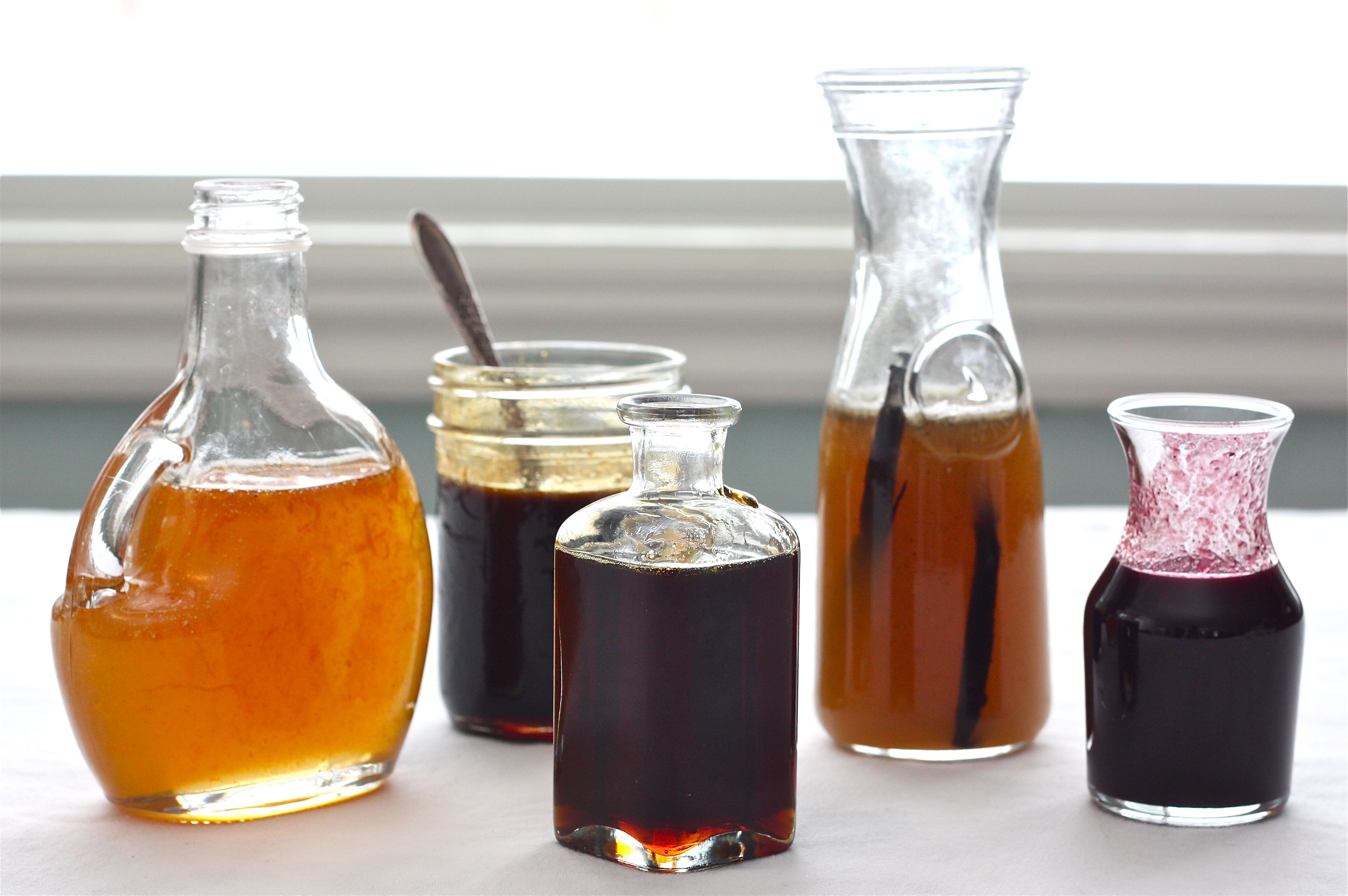
Just for variety, try one of these vanilla extract alternatives. There will of course be changes in flavor, but they will be subtle.
Maple syrup—replace the vanilla with an equal amount of maple syrup.
Natural, oil-based, alcohol-free caramel (or cardamom) essence. Swap the vanilla for an equal quantity of these flavorings.
Molasses, golden syrup, honey, brown rice syrup or treacle may provide an acceptable vanilla substitute.
Recipes for apple caramel, coffee essence and more are included in the book Is Food Making You Sick?

Green Mango Juice

Green-mangoesGreen Mango Juice

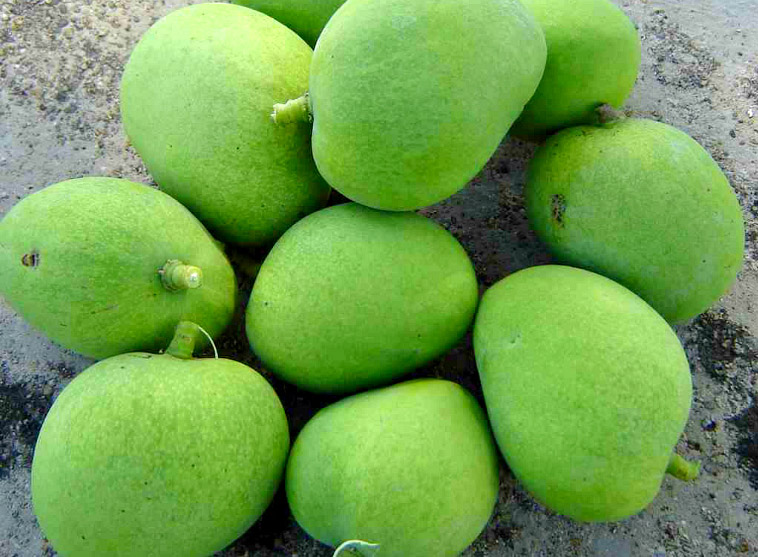
The juice of unripe mangos is a boon to histamine intolerance sufferers. You don’t realize how important to cooking are the zesty tang and acidic properties of vinegar and lemon juice, until you miss them. Fortunately the juice of green mangos makes a good substitute.
It’s not widely available in stores, however; so if you cannot obtain it, you can substitute either amchoor or the juice of unripe/tart apples, mixed with a pinch of ascorbic acid powder.
To make your own green mango juice, buy unripe mangos and process them in a blender, then strain them through muslin to remove the pulp.
To store, freeze the juice in ice cube trays so that you can defrost as much as required in small amounts.

Extra supplements for Histamine Intolerance sufferers

Histamine Intolerance Supplements

supplementsIf your histamine intolerance symptoms are extremely severe, then in addition to adhering to the Strictly Low Histamine Diet you may wish to take some additional supplements. Here are some suggestions.

* Low-acid Vitamin C  1000 mg twice daily.
Note: Standard Vitamin C supplements work well too, but but if you are taking high doses you may experience a burning or irritating sensation in the urinary tract. People with certain conditions such as interstitial cystitis, prostatitis and stomach ulcers often have a hard time tolerating high-acid vitamin C supplements.

* Vitamin B6 100 mg once daily.
Note: never exceed the recommended dose.

Your body needs Vitamin C and vitamin B6 to manufacture the DAO enzyme, which helps break down histamine in the body. Copper is also necessary for DAO production, but too much copper can be toxic. If your diet includes  variety of fresh, unprocessed foods it will already provide you with sufficient copper and you won’t need copper supplements.

* Digestive enzymes, one capsule before each meal. Choose a broad spectrum formula, including digestive enzymes to break down both protein (such as pepsin) and carbohydrates (such as amylase). Those who are histamine intolerant need help digesting protein, so that it does not linger in the gut fermenting and producing bacteria and histamine.

* Vira Stop is an enzyme formula dedicated to breaking down protein.  The recommended dose is 2 capsules daily. Begin gradually, by taking half a capsule per day and build up to 2 capsules over a few weeks. You should take this supplement on an empty stomach – i.e. either one hour before you eat or two hours afterwards. Never swallow probiotics and Vira Stop at the same time because they can interfere with each other.

* Probiotics. There are two species that actually cause histamine to be released in the body and those are Lactobacillus casei and Lactobacillus bulgaricus. Avoid them. Two very important types for people with histamine intolerance are Bifido infantis and Bifido longum. Take any probiotic supplement that contains both of these.

* Zinc inhibits the release of histamine from mast cells. Take 50mg of zinc per day, with a meal containing starch. This helps your body to absorb the zinc.

Remember that what you leave out of your diet to control histamine levels is probably even more important than what you take in via supplements.
Taking every recommended supplement will have little effect if you are still eating histamine-rich or histamine-triggering foods.  Consult the book for the complete diet.

Health and medical information disclaimer:

The information provided on this website is intended only to aid you in making informed decisions about your health. It is not intended to be a substitute for advice and treatment prescribed by a registered dietitian, nutritionist or doctor. The content of this website may not be used as a basis or means for any form of self-diagnosis. If you suspect that you have a medical problem, we urge you to seek the help of a medical practitioner.

Depression – the histamine connection

Depression and histamine

Depression and anxiety can cause serious problems in an otherwise productive life. These conditions frequently run in families.

Very high blood levels of histamine can significantly increase a person’s risk for depression. Because its origins differ from other forms of depression, high histamine depression may not respond well to the usual depression treatments.

A neurotransmitter in itself, histamine stimulates the release of important mood neurotransmitters like serotonin, norepinephrine and dopamine in the brain’s hypothalamus.  [1]

The condition of having abnormally high levels of histamine is called ‘histadelia’, or ‘undermethylation’. This condition creates an imbalanced amino acid cycle, resulting in low serotonin levels. Serotonin is a neurotransmitter that is believed to be responsible for maintaining mood balance. It is thought that a deficiency of serotonin leads to depression.

Many medical practitioners remain ignorant of the histamine-depression link. Michael Lesser, M.D., author of “The Brain Chemistry Plan,” states that few clinical psychiatrists focus on elevated histamine levels as a cause of depression.

Treatment for high-histamine depression

Treatment involves:

  • Regularly take the supplements listed in ‘Is Food Making You Sick? The Strictly Low Histamine Diet’, especially vitamin C, which is a potent antihistamine.
  • Follow a low histamine diet.

It can take 3-6 months to resolve this chemical imbalance. If treatment is discontinued, symptoms may return.

References:

[1] Causes Of Depression – Histamine Imbalance. by Cindy L. www.holisticdepressionhelp.com


Why most low histamine food lists are so confusing.

Low histamine food listsLow Histamine Food Lists

The Internet offers many ‘low histamine’ food lists. Reading them all can be confusing, because they often contradict each other. Low histamine food lists are not as simple as, say, gluten-free or lactose-free food lists, because gluten and lactose are either found in a food or they are not. Their existence is independent of storage conditions and freshness.

Histamine levels, by contrast, fluctuate. A food might be low in histamine to begin with, yet high in histamine as it ages. Histamine levels in food also vary depending on the storage methods (e.g. freezing halts histamine development).

Furthermore, some of these published lists include foods that may not have high histamine levels, but which contain compounds that provoke histamine release. Others do not.

Many low histamine food lists do not take into account foods that may be DAO blockers. Moreover, they may not include mention of oxalate (oxalic acid), an irritant that can trigger histamine release, thereby causing the same symptoms as histamine. Oxalates can also contribute to the distress and debility of chronic fatigue syndrome and myalgic encephalomyelitis, because they damage and destroy mitochondria. High levels of oxalate in the intestines also hinder beneficial bacteria from colonizing the gut.
Nor do many food histamine lists consider foods that release other biogenic amines, those which may contribute to HIT and which certain foods may release in some individuals, despite the fact that the foods themselves may not contain any biogenic amines.

To add to the confusion, some individuals have published  lists of foods which are tailored to their own unique body chemistry. That is, they themselves might be able to tolerate the foods on their list, but most other people cannot. One “low histamine” recipe-writer, for example, recommends using lentils, cocoa, berries and thyme, despite the fact that SIGHI (Swiss Interest Group Histamine Intolerance) describes lentils as “incompatible.”  Histamine expert Dr Janice Joneja says, “Berries tend to be high in benzoates. Benzoates release histamine.” And, “There are certain herbs which release histamine. Thyme, for example, releases histamine.” Cocoa contains compounds that are known histamine liberators.

Another person who blogs about mast cells has published “low histamine” recipes that include ingredients such as mushrooms, split peas, squash and quorn, all of which are described as “to be avoided” in numerous authoritative low histamine food lists from around the world.

Even the most authoritative lists, compiled by medical researchers, can have disparities. There is disagreement about a wide range of fruits, vegetables and spices including cherries, grapes, cranberries, blackberries, peaches, apricots, nectarines, pears, black-currants and red-currants, blueberries, kiwi-fruit, pineapple, plums, papaya, mushrooms, broad beans, pumpkin, anise, cinnamon, nutmeg and cloves.
Legumes and pulses are also debatable. Some lists include non-soy legumes such as dried beans and peas and lentils. All lists ban soy and red beans.
Again, some lists ban all nuts, while others forbid only walnuts, pecans and cashews.

This is why “Is Food Making You Sick? The Strictly Low Histamine Diet” recommends only those foods which have been agreed upon by every genuine, science-backed and meticulously researched source. The low histamine food list in this book is strictly low histamine, as are the recipes.


Should Histamine Intolerance sufferers go gluten free?

Don’t panic about gluten!

Some people believe that if you suffer from histamine intolerance you should go gluten free.

These days, there is a fashion for avoiding gluten-containing foods because ‘gluten free’ is perceived as ‘healthier’. Gluten-containing foods include wheat, barley, rye, triticale, kamut and spelt.

Gluten is a natural plant protein that helps bread rise and gives bread, cakes, pastry, pasta, noodles, and similar foods their elasticity and texture.

The truth is, gluten is only a problem for people who are non-celiac gluten sensitive (NCGS), or who have celiac disease – that is, approximately 1% of the population. (Note: NCGS is a condition that is distinct from celiac disease.)

Foods that happen to contain gluten may also be a problem for people who are sensitive to those particular foods. For example, you may not be celiac or NCGS, but you might have been diagnosed as being sensitive to wheat, for reasons other than its gluten content. People with histamine intolerance should avoid wheat germ, in any case.

If you have celiac disease or NCGS then it is vital to avoid gluten because it can cause intestinal permeability, which is also known as ‘leaky gut’. This can in turn lead to DAO insufficiency and thus to histamine intolerance. Gluten intolerance is also linked with autoimmune  diseases.

However if you are, like the vast majority of the population, perfectly capable of digesting gluten without any problems, gluten-containing foods are actually good for you. They are highly nutritious – packed with vitamins, minerals and beneficial fiber.

“Studies show that whole grain foods, as part of a healthy diet, may help lower risk of heart disease, type-2 diabetes, and some forms of cancer. A 2005 report from the American Dietetic Association warned that gluten free products tend to be low in a wide range of important nutrients, including B vitamins, calcium, iron, zinc, magnesium, and fiber. There’s also little point in eliminating just some gluten. For people who are sensitive, even trace amounts can cause damage to the small intestines. So an almost gluten-free diet isn’t going to help if you have a problem.” [Source: WebMD]

In a normal, healthy person gluten will not cause a leaky gut. And the odds are, you are one of the 99% who can digest gluten.

If you think you really might be celiac or have NCGS, ask your doctor for a test. The Celiac Disease Foundation states that there are several blood tests available that screen for celiac disease antibodies. “If test results suggest celiac disease, your physician will recommend a biopsy of your small intestine to confirm the diagnosis.”

Even if your celiac test comes up negative, you could try avoiding all gluten for at least 30 days to see if that makes your health improve. If you do feel better, this might indicate that you have NCGS.

If you really are gluten intolerant you’d have to cut out all gluten, down to the tiniest particle. An ‘almost-gluten-free’ diet will not help at all.

Simply avoiding gluten because you think it’s ‘bad’ for you means cutting a lot of nutritious foods from your diet. You can, of course, do so if you wish, but-

  • it’s more than likely there will be no benefit in it
  • you’d have to cut out a wide range of foods, because if you check the ingredients on labels, there are traces of gluten in most pre-prepared foods
  • commercially available gluten free foods often contain higher amounts of saturated fats, refined sugars and other undesirable ingredients
  • prepared gluten free foods are usually more expensive

The book “Is Food Making You Sick?” contains a large number of gluten free, low histamine recipes. Is Food Making You Sick?