 Pea Sprouts to boost your DAO
Numerous people have written in asking for more information on natural sources of diamine oxidase (DAO), so we’ve brought forward this post. (The promised recipes for home-made pH balanced shampoos will appear in the following post.)
When our diamine oxidase enzyme levels are low we can suffer from histamine intolerance. A number of legumes contain especially high levels of DAO. According to Dr Janice Joneja, eating these legumes as sprouts can provide us with a natural diamine oxidase boost.
NOTE: It is fine to take DAO by mouth to relieve symptoms in the short-term, but what you should be aiming for is to heal the gut so that you will not need to be taking DAO supplements. It is wiser to heal your body to the extent that it can manufacture its own DAO, rather than depending on outside sources. The only way to achieve this is by following a Strictly Low Histamine diet for long enough to allow the healing process to take place. This healing period varies from person to person, and takes longer with severe cases of histamine intolerance. Taking oral DAO supplements is like putting a bandage over a festering wound. It will not fix the problem, merely temporarily mask it.
The new seedlings of all legumes can provide us with DAO, but green pea sprouts are the best sources. Lentils and chickpeas are also good.
DAO is high in legume seedlings because the diamine oxidase helps the plant to build its structural components, such as its stem, when the baby plant is forming. Diamine oxidase begins to be produced about three days into the development of the seedlings. It increases to its maximum at about 10 days, after which it decreases because the plant no longer requires it.
Highest Possible DAO concentrations
When seeking DAO from natural sources we need to obtain the highest concentrations possible, because the process of digestion itself can destroy the DAO before it works its magic on our histamine levels.
Histamine intolerance specialist Dr Janice Joneja says: ‘The research indicates that up to 4% of the total protein content of the seedlings can be diamine oxidase. Being a protein, it’s also subject to digestion and then of course the diamine oxidase itself will be broken down in the process of protein digestion, so it’s a matter of seeing how much can be absorbed and how much of it is still active. But it is still absorbed in the small intestine, so it doesn’t have the entire length of the digestive tract to be exposed to digestive enzymes.’
Dark-Grown Sprouts
To increase the levels of DAO in your home-sprouted legumes, grow them in darkness. Sprouts that are grown in the dark have a higher level of diamine oxidase. Diamine oxidase is a protective enzyme for both humans and plants. Thus, when plants experience stress, they produce more of it. When seeds grow in the dark they have to struggle. This struggle produces a much higher level of diamine oxidase. Dark-sprouted pea shoots will appear lank and pale (‘etiolated’. They may not look as vibrant and healthy as green sprouts, but their content of diamine oxidase will be approximately five times higher than the content of bright green seedlings grown in sunlight. They are therefore better for people with Histamine Intolerance.
About Store-bought Pea Sprouts
You can buy pea sprouts that have been commercially grown and bagged. Eating them may be somewhat beneficial to your health, but they have the following disadvantages:
- Their DAO levels vary greatly
- They may have languished on the shelf for a while, and not be super-fresh. Thus their histamine levels may be high.
- They are generally grown in sunlight or artificial sunlight – that’s why they are green. Therefore their DAO levels are much lower.
About Store-bought Pea Sprout Powder
Store-bought pea sprout powder can also be used. It is difficult, however, to estimate exactly how much DAO it contains, which means we cannot know what dosage to take on a daily basis for optimum benefit. Dr Joneja recommends mixing a cupful a day with water and taking that, to see if you get any benefit.
Benefits of Home-grown Pea Sprouts
Growing pea sprouts at home has numerous benefits.
- Quick – your crop can be ready for harvest in less than ten days.
- Easy – they can be grown indoors, and need no soil.
- Cheap – you can sprout dried ‘soup peas’ from the supermarket.
- Higher DAO – grow them in the dark and their enzyme levels will be far higher.
- Flexible – grow them anytime.
- Compact – you can grow them in small spaces.
- Delicious – sprouts can be consumed raw in juices.
- Nutritious – in addition to DAO, pea sprouts are packed with vitamins A and C and folate.
How to Grow Pea Sprouts/Seedlings
Obtain peas that are intended for eating, not for planting. Pea seeds that are sold for planting in gardens may have been dusted with chemicals to inhibit mold or to kill insects. Choose fresh green peas from your greengrocer or dried peas from the grocery section of your supermarket. Do not select dried peas that are salted, frozen, split or processed in any way. Try to find organic peas. Freeze dried peas are fine. (Shop online for them here.)
- To avoid bacterial contamination, do not grow seedlings in soil.
- Do not sterilize the pea seeds. If you heat them, you will deactivate the diamine oxidase enzyme.
- Rinse the peas in clean, cool water.
- Place the peas in a bowl, and cover them with more clean water.
- Allow them to soak for 12-24 hours.
- Place the seeds in a clean seed-sprouting bag or other sprouting equipment (see below) and leave the bag in the dark (such as a drawer or cupboard, or wrapped in a thick towel), for 7-10 days; no later. Do not leave them in the refrigerator – they need to be at room temperature, at least.
- Two or three times a day, rinse them with clean water to hydrate them. Always tip out all of the water to drain the peas thoroughly. Do not forget to rinse them or they may become moldy. One trick for remembering is to rinse them whenever you clean your teeth.
- Continue the process for 8-10 days. Pale shoots will emerge from the peas and start to grow.
- Harvest the sprouts.
- Juice them raw and consume them straight away. Do not heat them – heating destroys DAO.
- Mature sprouts have sets of two leaves.
- Rinse sprouts before for juicing. If you wish, you can wrap them in a lettuce leaf to help the juicing process and make sure the nutrients are extracted.
- See our sprout juice recipes here.
- Store leftover sprouts in the refrigerator in a sealed bowl containing a paper towel to absorb excess moisture. Use the sprouts within a week.
Note: Sprouts that start to look rather brown in color should be discarded because they are past their use-by date. Over-aged sprouts may also release a yellowish liquid in their container.
Pea-Sprouting Equipment
- Bags: Seed-sprouting bags are drawstring bags made from a closely-woven, natural fabric (not plastic) such as cotton or hemp. You can make your own or buy them commercially. Seed-sprouting bags are made by stitching together two rectangles of cotton or hemp, with a drawstring opening.
- Jars: The cheapest seed-sprouting equipment is a clean glass jar. Cover the mouth of the jar with clean stockings or pantyhose, held in place by an elastic band. The pantyhose acts as a strainer when rinsing the peas with water.
- Commercial: You can also purchase commercial seed-sprouting equipment. In the electrically-powered versions, the water is automatically filtered through.
- Make sure you position all your sprouting equipment in a pitch dark place while your seeds are growing.
How to use Pea Sprouts/Seedlings
Use your pea sprouts in smoothies, rather than eating them in their unprocessed form. Diamine oxidase enzymes exist to help the plant build the wall of its cells, so they are attached to those cell walls.
Your normal chewing and digestion will not readily break those bonds. By whizzing the sprouts in a blender you will make the DAO more readily available for your body to absorb. Do not put the juice through a strainer – it’s vital to consume the whole plant, cell walls, fiber and all. See our recipes here.
We recommend taking one cup every day.
Other natural Sources of DAO
Another natural source of diamine oxidase is kidneys. Make sure you buy fresh ones and cook them as soon as possible, or freeze them to stop histamine from developing.

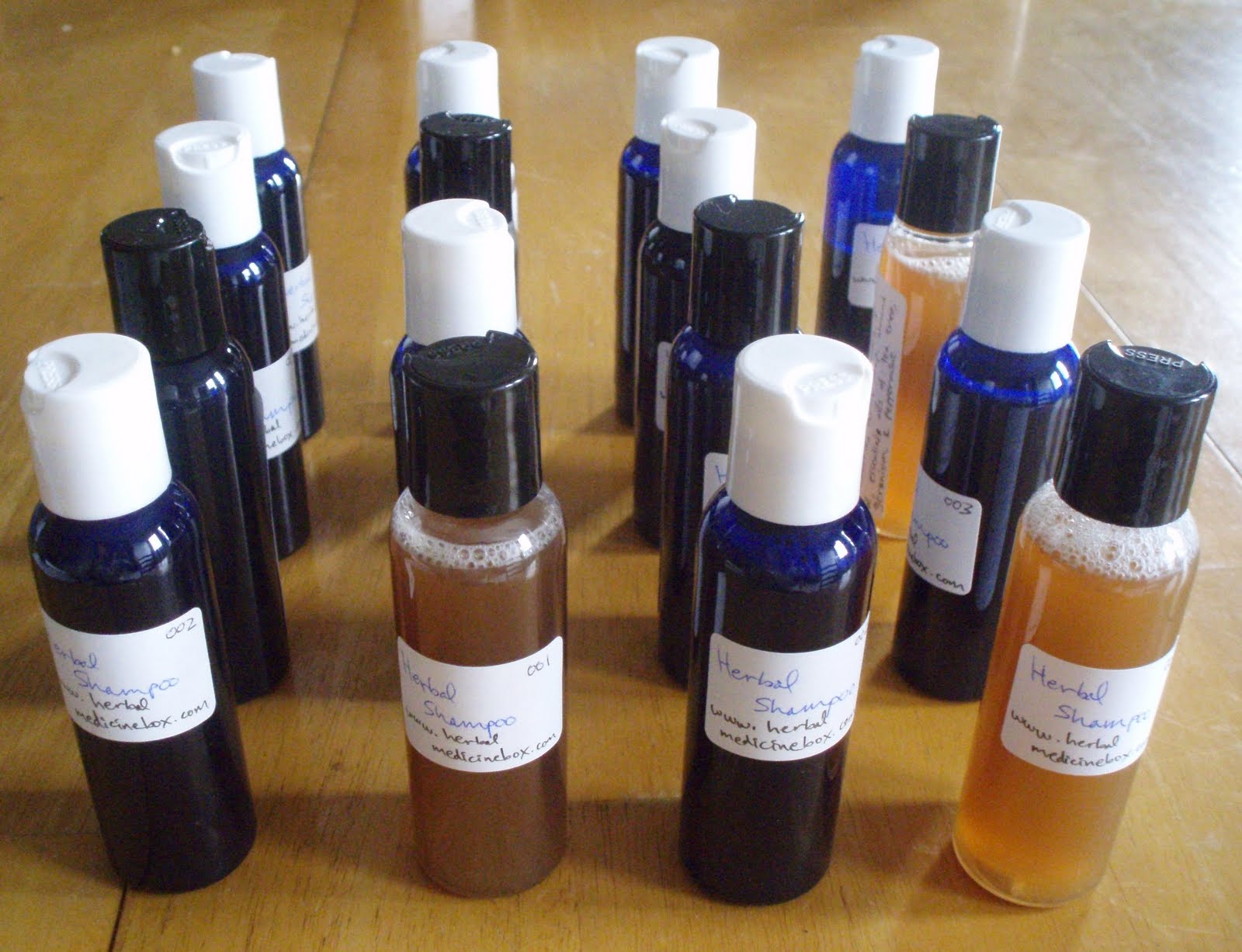 In a recent post we gave you some recipes for soap-free skin cleansers you can make at home – ideal for Histamine Intolerant people with itchy skin. For those with itchy scalps, here are some recipes for soap-free home-made shampoo for itchy scalps. They’re simple to make, they really work and they won’t break the bank. In fact, they’re probably cheaper than most commercial shampoos! The shampoos are pH balanced and come courtesy of www.blog.kanelstrand.com.